
Best Practices for NZ Success in 2026
Running a small business in New Zealand is a thrilling journey, but navigating the financial side can feel overwhelming. When you understand small business accounting best practices, you lay a solid foundation for sustainable growth and long-term success. From tracking every dollar to meeting your IRD obligations, solid accounting is the bedrock of sustainable growth and long-term success. Many business owners dive in with passion but quickly find themselves tangled in spreadsheets and receipts, unsure if they are truly profitable or compliant with tax laws. This confusion can lead to missed opportunities, cash flow crises, and unnecessary stress.
This guide cuts through the complexity. We have compiled an essential checklist of small business accounting best practices - practical, actionable steps tailored for the Kiwi business landscape. Implementing these routines will not only bring you peace of mind but will also provide the clarity needed to make smarter, data-driven decisions. A fundamental step in modernising these practices is understanding the benefits of accessible, real-time financial data; learning What is Cloud Accounting provides a crucial foundation for building an efficient system.


This listicle is designed to be your go-to resource for establishing robust financial habits. You will learn how to organise your bookkeeping, manage GST and tax, handle payroll correctly, and interpret financial reports to steer your business forward. Whether you are a tradesperson in Manukau, a property investor in Auckland, or an ECE centre owner, these principles will help you build a resilient and more profitable enterprise. Let's get started on setting up your business for lasting financial health.
1. Separate Business and Personal Finances
This is the non-negotiable first step in establishing strong small business accounting best practices. Commingling your personal and business funds creates a bookkeeping nightmare, makes tax time incredibly stressful, and can even put your personal assets at risk. By creating a clear line between your business's money and your own, you gain immense clarity and control.
This separation is vital whether you're a sole trader or a limited company. For companies, it maintains the legal "corporate veil" that protects your personal assets (like your house or car) from business debts. For sole traders, it drastically simplifies the process of tracking deductible expenses and calculating your tax obligations. To effectively manage your business's financial health, it's crucial to understand the principles of separating business and personal finances.
How to Implement This Practice
Getting this right from day one saves countless hours of backtracking. It provides a clean, accurate transaction history that makes GST returns, end-of-year tax filing, and performance analysis straightforward.
- Open Dedicated Accounts: As soon as you decide to trade, open a separate business bank account and, if needed, a business credit card. Don't wait until the money starts coming in.
- Exclusive Use: Funnel all business income into this account and pay for all business expenses from it. This includes everything from supplier invoices and software subscriptions to fuel for work-related travel.
- Pay Yourself Properly: Instead of dipping into the business account for personal costs like groceries, pay yourself a regular wage or set up a recurring automatic transfer to your personal account. This is known as a "drawing" and keeps your records tidy.
- Link to Accounting Software: Connect your new business accounts directly to your cloud accounting software like Xero. This automates data entry, making reconciliation a simple matter of a few clicks.
2. Implement Double-Entry Bookkeeping
This powerful accounting method is the global standard for a reason. Double-entry bookkeeping dictates that every financial transaction has two equal and opposite effects, recorded as a debit in one account and a credit in another. This system ensures your financial records are always balanced and provides a complete, accurate picture of your company's financial position.
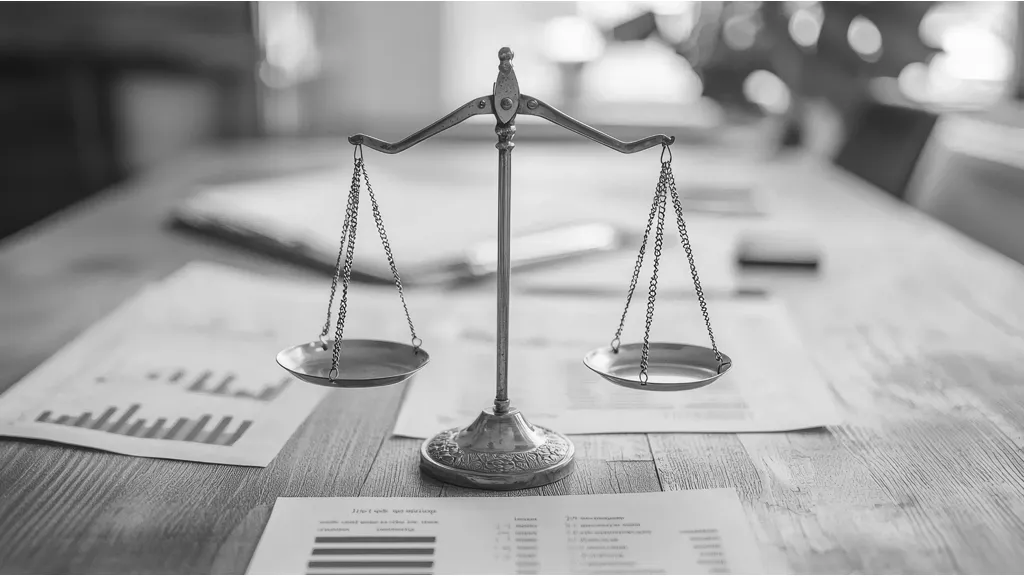
Adopting this practice is a fundamental step up from basic spreadsheets. It maintains the core accounting equation (Assets = Liabilities + Equity), making it significantly easier to spot errors and produce reliable financial statements like the balance sheet and income statement. For any growing Auckland business, implementing double-entry bookkeeping is a non-negotiable part of building a scalable and compliant financial foundation.
How to Implement This Practice
Modern accounting software makes this process nearly invisible, but understanding the principle is key to managing your finances effectively. It is a core component of sound small business accounting best practices, providing clarity and control.
- Use Cloud Accounting Software: Tools like Xero are built on the double-entry system. When you code a bank transaction, the software automatically creates the corresponding debit and credit entries, so you don’t need to do it manually.
- Understand the Debits and Credits: For a practical example, when you buy a $1,500 laptop for your business, your 'Bank' account (an asset) is credited by $1,500, and your 'Computer Equipment' account (also an asset) is debited by $1,500. The books remain balanced.
- Establish a Chart of Accounts: Before you start, create a clear chart of accounts. This is a list of all the financial accounts for your business, such as 'Bank Account', 'Accounts Receivable', 'Office Supplies', 'Sales', and 'Rent Expense'.
- Reconcile Regularly: Match your bank statements against your accounting records monthly. This process, known as reconciliation, quickly highlights any discrepancies, ensuring your double-entry system is working correctly and your data is accurate for GST and tax reporting.
3. Maintain Accurate and Timely Records
This practice forms the very foundation of reliable small business accounting. Waiting until the end of the month or, even worse, the end of the financial year to get your books in order leads to guesswork, missed deductions, and stressful tax periods. Keeping detailed, current financial records ensures every decision you make is based on real-time data, not outdated information.
Accurate and timely records mean you can generate a precise Profit and Loss statement, understand your cash flow position at a glance, and confidently prepare your GST returns. A property investor, for instance, needs to track rent payments and repair costs as they happen to accurately assess each property's performance. This level of organisation is a key pillar of effective financial management and is made significantly easier with the right tools. The key benefits of accounting software highlight how technology can automate this crucial process for you.
How to Implement This Practice
Integrating record-keeping into your daily or weekly routine transforms it from a daunting annual task into a simple, manageable habit. This consistency provides a clear, up-to-date picture of your business's financial health.
- Make it a Daily Habit: Set aside 15-30 minutes each day to review transactions, enter bills, and categorise expenses. This small daily investment prevents a massive backlog from building up.
- Go Digital with Receipts: Use a mobile accounting app like Xero's to snap photos of receipts the moment you get them. For example, after buying paint and brushes at a hardware store for a job, immediately take a picture of the docket. This eliminates lost receipts and ensures you claim every legitimate business expense.
- Establish a Filing System: Whether digital or physical, organise your documents logically. Create folders for supplier invoices, bank statements, and sales receipts, categorised by month or tax period for easy retrieval.
- Reconcile Regularly: Perform a bank reconciliation at least weekly. This simple check confirms that the transactions in your accounting software match your bank statements, catching any errors or omissions early.
- Backup Everything: For NZ tax purposes, you must keep records for at least seven years. Regularly back up your digital records to a secure cloud service like Google Drive or Dropbox to protect against data loss.
4. Regular Reconciliation and Bank Matching
Think of bank reconciliation as the ultimate fact-check for your business finances. It’s the essential process of comparing the transactions recorded in your accounting software (your books) with the transactions that have actually occurred in your bank account. This regular check-up ensures every dollar is accounted for, catches errors before they escalate, and provides a true, up-to-date picture of your cash position.
Without consistent reconciliation, you're essentially flying blind. You might think you have more cash available than you do, or miss that a significant client payment hasn't cleared. For any New Zealand business, this practice is a cornerstone of good financial hygiene. It verifies that your sales data, expense claims, and supplier payments are all accurate, which is fundamental for preparing reliable GST returns and end-of-year financial statements. Implementing regular reconciliation is one of the most powerful small business accounting best practices you can adopt for financial clarity.
How to Implement This Practice
Regular reconciliation turns a potentially massive end-of-year task into a quick, manageable routine. The key is to do it often, so you’re only ever dealing with a small batch of transactions at a time. This prevents small discrepancies from becoming major headaches.
- Set a Schedule: While monthly reconciliation is the absolute minimum, aim to reconcile your accounts weekly. This makes it a quick 15-minute job rather than a multi-hour ordeal.
- Leverage Technology: Modern cloud accounting software like Xero is a game-changer. Its direct bank feeds automatically import your bank transactions, suggesting matches and making the process as simple as clicking "OK".
- Investigate Discrepancies: Don't ignore mismatches, even small ones. For instance, if your bank statement shows a $50 debit but your books have $45, investigate immediately. It could be a simple data entry error, an unexpected bank fee, or a sign of a more serious issue.
- Create a Checklist: To ensure consistency, especially if different people are involved, create a simple reconciliation checklist. This should include checking dates, amounts, and payee details for all transactions since the last reconciliation.
5. Track and Categorize Expenses Consistently
Properly tracking and categorising your expenses is a cornerstone of effective small business accounting. Simply knowing how much you spend isn't enough; you need to know where the money is going. Consistent categorisation transforms raw spending data into powerful business intelligence, enabling accurate cost analysis, supporting tax deduction optimisation, and revealing spending patterns that might otherwise go unnoticed.
This practice is about establishing a clear "Chart of Accounts" with logical categories and applying them uniformly all year. A marketing agency, for example, might separate its costs into digital ads, events, and print collateral. This level of detail allows them to see exactly which marketing channels deliver the best return on investment. Similarly, a property investor would track rates, insurance, and maintenance separately for each property to assess individual performance.
How to Implement This Practice
A well-organised Chart of Accounts provides the framework for meaningful financial reports, making it easy to compare spending over time and prepare for tax season without last-minute scrambling. It’s a foundational step in good bookkeeping.
- Customise Your Chart of Accounts: While software like Xero provides excellent default categories, tailor them to your specific industry and business model. A home cleaning service needs to track supplies, vehicle running costs, and equipment separately to manage its core operational costs.
- Establish Clear Rules: Create simple, written rules for how to categorise common or borderline expenses. For instance, decide if a networking event lunch is filed under "Entertainment" or "Marketing," and then stick to that rule every time.
- Leverage Accounting Software: Use your accounting software's features, like bank rules in Xero, to automatically categorise recurring transactions from specific suppliers. For example, you can create a rule that every payment to "Spark" is automatically coded to your 'Telephone and Internet' expense account. This saves time and dramatically reduces human error.
- Review and Refine: Your business evolves, and so should your expense categories. Review your Chart of Accounts quarterly or annually to ensure it still reflects how your business operates and provides the insights you need. If a category becomes too broad, consider splitting it into more detailed sub-accounts.
6. Monitor Cash Flow Actively
Profitability on paper means very little if you don't have the cash in the bank to pay your bills. This is the crucial distinction between profit and cash flow, and failing to manage it is one of the biggest reasons profitable businesses fail. Actively monitoring the money moving in and out of your business is a fundamental accounting best practice that provides the visibility needed to make smart, timely decisions.
This practice is essential for navigating the natural ebbs and flows of business. A construction company in Manukau might have a profitable project but faces a 60-day wait for client payment, creating a temporary cash shortfall. Similarly, a retailer needs to plan for seasonal dips, ensuring enough cash is available to cover rent and wages during quieter months. Active monitoring transforms you from being reactive to cash crises to proactively managing your financial stability.
How to Implement This Practice
Effective cash flow management involves looking forward, not just backward at historical bank statements. It’s about anticipating future needs and ensuring you have the resources to meet them, which is a cornerstone of sound financial planning.
- Create a Cash Flow Forecast: Develop a simple forecast, often on a rolling 13-week basis. This projects your expected income (from invoices due) and your anticipated expenses (like payroll, rent, and supplier payments) week by week.
- Update It Weekly: Your forecast is a living document. Spend 30 minutes each week updating it with actual figures and adjusting future projections. This will highlight potential shortfalls weeks or even months in advance.
- Manage Your Receivables: Don't let invoices age. Implement clear payment terms, send timely reminders, and consider offering a small discount for early payment to encourage faster cash collection.
- Negotiate Supplier Terms: Where possible, talk to your suppliers about extending your payment terms. For example, if you normally pay a supplier in 20 days, ask if you can move to 30-day terms. This simple change can make a significant difference in smoothing out your cash flow cycle.
- Build a Cash Buffer: Aim to maintain a cash reserve equivalent to 3-6 months of your essential operating expenses. This buffer provides a vital safety net for unexpected costs or a sudden drop in revenue.
7. Create and Monitor a Budget
Operating a business without a budget is like navigating without a map; you might be moving, but you have no idea if you're heading in the right direction. Budgeting provides a financial roadmap, outlining your expected income and planned expenses over a specific period. This proactive approach is a cornerstone of effective small business accounting best practices, transforming your finances from a reactive puzzle into a strategic tool for growth.
A well-crafted budget serves as a benchmark to measure your actual performance against. For a retail store in Manukau, this might mean forecasting seasonal sales peaks and budgeting for extra staff. For a property investor, it could involve planning for maintenance costs, insurance, and rates across their portfolio. This process highlights where your money is going and whether your spending aligns with your strategic goals, allowing for timely course corrections.
How to Implement This Practice
A budget is a living document, not a "set and forget" task. Regular monitoring turns it from a simple forecast into a powerful management tool that drives decision-making and ensures financial stability.
- Build a Realistic Forecast: Start with your historical data if you have it. If you're a new business, research industry benchmarks. Project your revenues and list all anticipated fixed and variable costs, from rent and software subscriptions to marketing spend and supplies.
- Break It Down: An annual budget can feel overwhelming. Break it down into monthly or quarterly targets to make tracking more manageable and to spot trends or issues much sooner.
- Review "Budget vs. Actual" Regularly: Schedule time each month to compare your actual financial results against your budgeted figures. This is a critical habit for maintaining financial control.
- Investigate Significant Variances: If your actual marketing costs are $2,000 for the month instead of the budgeted $1,000, dig into why. Was it a one-off campaign, or has the cost of your online ads increased? Understanding the 'why' allows you to make informed adjustments.
- Adjust and Adapt: Your business environment changes, and so should your budget. Revisit and adjust your forecast quarterly to reflect new information, market changes, or shifts in your business strategy. To get started, you can explore the fundamentals of how to create a realistic business budget.
8. Generate and Review Financial Statements Regularly
Think of your financial statements as the report card for your business. The three key reports - the Income Statement, Balance Sheet, and Cash Flow Statement - provide a comprehensive overview of your financial health. Overlooking them is like flying a plane without instruments; you might be moving, but you have no idea if you're heading in the right direction, gaining altitude, or about to run out of fuel.
Implementing a regular review of these documents is a core component of strong small business accounting best practices. It shifts you from simply recording transactions to actively understanding what they mean for your business's performance and stability. For example, a retail store can use its cash flow statement to plan major inventory purchases for the holiday season, ensuring they have enough cash on hand. Similarly, a service business can monitor its balance sheet to keep a close eye on growing accounts receivable and chase up late payments.
This regular analysis is what transforms raw data into strategic business intelligence. It provides the solid evidence you need to make informed decisions about pricing, staffing, marketing spend, and future investments, ensuring every choice is backed by clear financial facts, not just gut feelings.
How to Implement This Practice
Making this a non-negotiable monthly habit is crucial. It allows you to spot trends, address issues before they become critical, and seize opportunities as they arise. Using cloud accounting software like Xero can automate the generation of these reports, making the process highly efficient.
- Schedule a Routine: Block out time in your calendar each month (for instance, the fifth working day) dedicated solely to reviewing your financial statements. Treat this appointment as seriously as a major client meeting.
- Generate Key Reports: Run the "big three" from your accounting software: the Income Statement (also called Profit and Loss), the Balance Sheet, and the Statement of Cash Flows for the previous month.
- Analyse and Compare: Don’t just look at the numbers in isolation. For example, if your Profit & Loss shows a profit of $5,000 but your bank balance decreased, check your Balance Sheet. You might find your Accounts Receivable (money owed to you) has increased, indicating you need to chase payments.
- Calculate Key Ratios: Learn to calculate and track a few simple but powerful ratios. Your gross profit margin tells you about your pricing and cost of goods, while the current ratio (current assets divided by current liabilities) gives you a quick snapshot of your short-term solvency.
- Document and Discuss: Note down any significant variances or questions that arise from your review. If you have a management team, share a summary of your findings to ensure everyone is aligned with the company's financial position.
9. Implement an Effective Invoicing and Payment Collection System
Waiting for money to arrive is one of the biggest cash flow challenges for any small business. A robust invoicing and payment collection system isn't just about sending bills; it’s a critical process that ensures you get paid on time, improves your financial stability, and maintains professional client relationships. An effective system reduces the time you spend chasing payments and closes the gap between doing the work and having the cash in your bank.
This practice is essential for any business that provides goods or services before receiving full payment. For a freelance web developer, it means getting paid promptly after a project milestone. For a tradesperson, it means covering material costs without dipping into personal funds. A streamlined system, often powered by modern accounting software, automates reminders and makes paying you as easy as possible for your customers. To dive deeper into modernising your approach, it's worth understanding the benefits of eInvoicing for your business.
How to Implement This Practice
A proactive and organised approach to invoicing turns a passive waiting game into a controlled business process. It establishes clear expectations from the outset and provides a structured follow-up plan if payments are delayed.
- Invoice Immediately and Accurately: Don't wait until the end of the month. Send a clear, detailed invoice as soon as the work is completed or the product is delivered. Ensure it includes the date, invoice number, your business details, a clear description of services, the total amount due, and payment instructions.
- Establish Clear Payment Terms: State your payment terms clearly on every invoice (e.g., "Due within 14 days"). For larger projects or new clients, consider requiring an upfront deposit. You could also offer a small discount for early payment, such as "2/10 net 30," which gives a 2% discount if paid in 10 days.
- Make it Easy to Get Paid: Offer multiple payment options, such as bank transfer, credit card, or online payment gateways like Stripe. The fewer barriers your client has to paying you, the faster you will receive your money.
- Automate Your Follow-Up: Use your accounting software (like Xero or MYOB) to set up automated email reminders for invoices that are approaching their due date or are overdue. A polite nudge at 7, 15, and 30 days past due can work wonders without manual effort.
10. Maintain Proper Tax Records and Plan Strategically
Effective tax management goes beyond simply paying what you owe at the end of the year. For smart Kiwi businesses, it’s a year-round discipline of meticulous record-keeping and strategic planning. Maintaining proper tax records is fundamental for compliance with Inland Revenue (IR) and ensures you can defend your position if ever questioned. More importantly, it empowers you to legally minimise your tax liability and improve cash flow.
This practice involves systematically tracking all income, deductible expenses, GST, and provisional tax payments. Keeping robust documentation not only saves you from potential penalties and interest but also provides the data needed for proactive tax planning. For example, a property investor must track all rental income alongside every expense, from rates and insurance to repairs and mortgage interest, to accurately calculate their taxable profit. Similarly, an ECE centre owner must meticulously document spending on educational resources and staff costs to claim all eligible deductions.
How to Implement This Practice
Integrating tax planning into your regular financial routine transforms it from a stressful annual event into a strategic business advantage. This is a core component of sound small business accounting best practices that prevents nasty surprises and keeps more money in your business.
- Set Aside Tax Immediately: A great rule of thumb is to transfer 25-35% of every payment you receive into a separate savings account. If a client pays you a $1,000 invoice, immediately move $300 into your tax account. This ensures funds are available when provisional tax or GST payments are due.
- Keep Everything for Seven Years: IR requires you to keep all tax records, including invoices, receipts, and bank statements, for at least seven years. Store them digitally in your accounting software or a cloud storage folder for easy access and safekeeping.
- Understand Your Deductions: Familiarise yourself with what you can claim. This could include a portion of your home office running costs (power, internet), vehicle expenses using a logbook, software subscriptions, and professional development courses.
- Annual Tax Strategy Review: Your business structure and financial situation change over time. Meet with your accountant annually to review your tax strategy, ensuring your business structure (e.g., sole trader, company) is still the most tax-effective option for your goals.
Small Business Accounting: 10 Best Practices Comparison
| Item | Implementation Complexity  |
Resource Requirements  |
Expected Outcomes  |
Ideal Use Cases  |
Key Advantages  |
|---|---|---|---|---|---|
| Separate Business and Personal Finances | Low (open accounts, maintain discipline) |
Low (bank fees, initial setup time) |
Clear records; simpler taxes; legal asset separation | Freelancers, small retail, service businesses | Legal protection; easier audits; better cash visibility |
| Implement Double-Entry Bookkeeping | High (accounting rules, balancing) |
Medium–High (software or accountant, training) |
Accurate financials; automatic error checks; compliant reports | Growing businesses, lenders, formal reporting needs | Reliable statements; error detection; scalable accounting |
| Maintain Accurate and Timely Records | Medium (daily/regular logging) |
Medium (time, apps, storage/backups) |
Real-time insights; reduced audit risk; faster decisions | Restaurants, consultancies, e‑commerce | Up-to-date snapshots; quicker issue detection; easier taxes |
| Regular Reconciliation and Bank Matching | Medium (routine comparison work) |
Low–Medium (time or auto-matching tools) |
Correct cash position; fraud/error detection | High-transaction shops, suppliers-heavy firms | Prevents compounding errors; improves forecasting accuracy |
| Track and Categorize Expenses Consistently | Medium (chart of accounts + rules) |
Low–Medium (initial setup, ongoing discipline) |
Better deduction capture; spending trend visibility | Agencies, retailers, service firms | Maximizes tax deductions; supports cost control and analysis |
| Monitor Cash Flow Actively | Medium (forecasting and updates) |
Medium (tools, frequent updates, reserves) |
Prevents cash crunches; improves financing decisions | Seasonal businesses, construction, SaaS | Proactive planning; identifies timing issues; lender readiness |
| Create and Monitor a Budget | Medium (planning + monthly review) |
Medium (historical data, team input) |
Financial roadmap; variance control; resource allocation | Startups, manufacturers, salons | Controls spending; early problem detection; aligns goals |
| Generate and Review Financial Statements Regularly | Medium–High (prep and analysis skills) |
Medium–High (accounting software or accountant) |
Comprehensive view of profitability and solvency | Growing companies, investors, lenders | Informs strategy; supports lending/investor requirements |
| Implement an Effective Invoicing & Collection System | Low–Medium (templates, automation, follow-up) |
Low–Medium (invoicing software, payment fees) |
Faster collections; fewer disputes; improved cash flow | Freelancers, B2B services, consultancies | Accelerates payments; reduces admin; improves customer clarity |
| Maintain Proper Tax Records and Plan Strategically | High (complex rules, ongoing updates) |
High (CPA/advisor, record retention, time) |
Compliance; minimized tax liability; audit readiness | Any business with tax obligations; complex filings | Reduces audit risk; optimizes taxes; strategic tax planning |
Take Control of Your Finances with Expert Support
Navigating the financial landscape of a small business in New Zealand can feel like a complex journey. We've explored the essential pillars of sound financial management, from the foundational step of separating your business and personal finances to the strategic necessity of proactive tax planning and cash flow monitoring. Mastering these small business accounting best practices is not merely about compliance or ticking boxes; it's about building a resilient, adaptable, and ultimately more profitable enterprise.
Think of each practice as a vital instrument in your business's dashboard. Your meticulously maintained records and regularly reconciled accounts are your speedometers and fuel gauges, providing real-time data on your performance. Your budget and cash flow forecasts act as your GPS, helping you navigate towards your goals and avoid potential hazards. Financial statements, like those generated in Xero, are your diagnostic reports, revealing what’s working well and what needs a tune-up.
From Good Habits to Strategic Growth
The true power of these practices is unlocked when they move from being a reactive chore to a proactive strategy. Consistently applying these principles transforms your financial data from a historical record into a powerful tool for future decision-making.
- Clarity leads to confidence: When you know your numbers inside and out, you can make bold decisions with a clear understanding of the potential risks and rewards. You can confidently invest in new equipment, hire a key team member, or expand your services because your financial data supports the move.
- Proactivity prevents problems: Regularly monitoring your cash flow allows you to spot a potential shortfall months in advance, giving you ample time to arrange a line of credit or adjust your spending. Strategic tax planning means you aren't surprised by a large bill from Inland Revenue, freeing up capital for growth initiatives.
- Efficiency fuels focus: By establishing robust systems for invoicing, expense tracking, and payroll, you reduce the time spent on administrative tasks. This efficiency frees up your most valuable resource, your time, allowing you to focus on innovation, customer service, and the core activities that drive your business forward.
Embracing these accounting best practices is the single most effective step you can take to move from simply running your business to strategically leading it. It’s the difference between reacting to the market and shaping your own success within it.
Your Partner in Financial Clarity
Implementing these systems can seem daunting, especially when you're already managing the day-to-day demands of your business. While accounting software like Xero provides the tools, interpreting the data and translating it into a winning strategy is where professional guidance becomes invaluable. This is the core of what we do. We help business owners in Auckland move beyond the numbers and into the insights.
For a property investor in Manukau, it might mean analysing rental yields and structuring their portfolio for maximum tax efficiency. For an early childhood centre owner, it could involve creating detailed budgets to manage staffing costs and plan for new learning resources. For a growing real estate agency, it could be developing key performance indicators (KPIs) to track agent performance and profitability.
You don't have to become an accounting expert overnight, and you certainly don't have to do it alone. The goal is to build a strong financial foundation that supports your vision. By leveraging these best practices and partnering with a knowledgeable advisor, you empower yourself to build a business that is not only successful today but is also prepared for the opportunities of tomorrow.
Ready to transform your financial management from a source of stress into a strategic advantage? As affordable, down-to-earth chartered accountants, Business Like NZ Ltd specialises in providing clear, actionable advice to support Auckland businesses and property investors. Let us help you implement these small business accounting best practices and unlock your true growth potential.